InfoQ Homepage Architecture Content on InfoQ
-
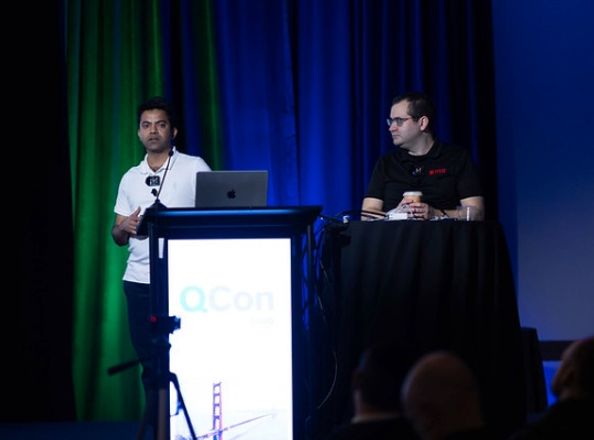
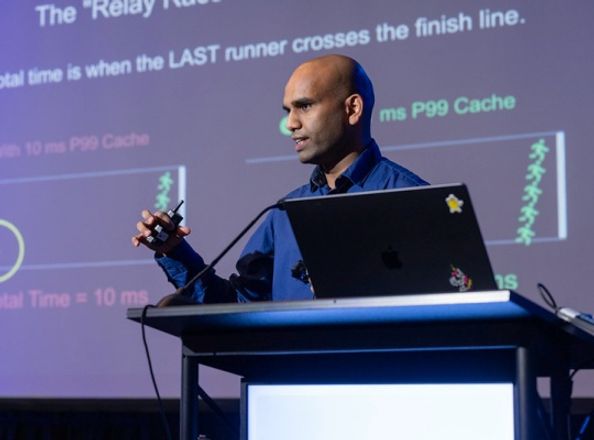
From ms to µs: OSS Valkey Architecture Patterns for Modern AI
Dumanshu Goyal explains how moving from proxied architectures to direct access in Redis/Valkey slashes tail latency to microseconds, lowers costs, and eliminates single points of failure.
-
Microservices Platforms: When Team Topologies Meets Microservices Patterns
Chris Richardson explains how microservices platforms reduce team cognitive load, sharing six key platform patterns to streamline delivery and accelerate software development flow.

-
Architecting AI Systems for the Messy Reality of Enterprises: Why Agentic Compute is the Missing Layer
Arun Joseph explains how to successfully build and deploy enterprise-grade agentic platforms by leveraging existing teams, JVM stacks, and a "compute as the agent" architectural paradigm.

-
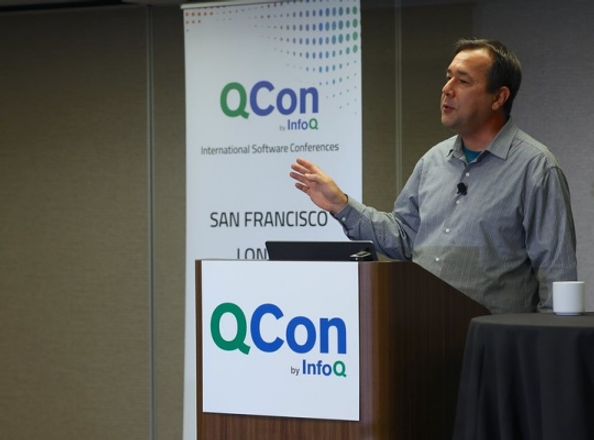
Parting the Clouds: the Rise of Disaggregated Systems
Murat Demirbas explains how cloud economics drive compute-storage disaggregation in modern database architectures. He shares insights on network bottlenecks, Paxos origins, and future tech.
-
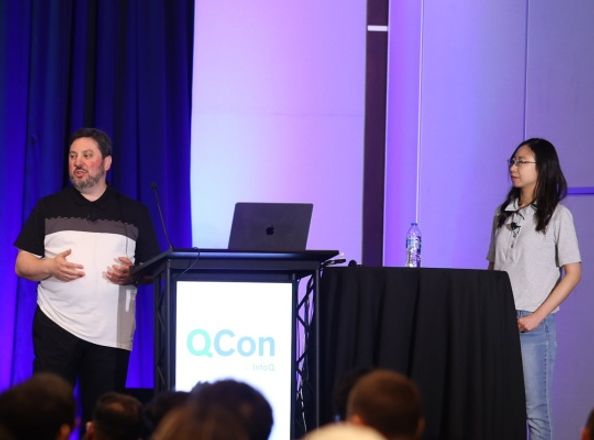
Compiling Workflows into Databases: the Architecture That Shouldn't Work (But Does)
Jeremy Edberg & Qian Li explain how to replace complex external orchestrators with DBOS Transact, an open-source library that implements durable workflow execution directly inside your database.
-
From Copy-Paste to Composition: Building Agents Like Real Software
Jake Mannix explains how to mature AI agents using "virtual tools" for encapsulation, interface abstraction, and deterministic taint tracking to prevent lethal data exfiltration risks.

-
Lessons Learned in Migrating to Micro-Frontends
Luca Mezzalira discusses a practical roadmap for migrating to micro-frontends, explaining how to optimize for team autonomy, identify domain boundaries, and leverage edge-compute routing.

-
Chaos Engineering GPU Clusters
Bryan Oliver explains how to apply chaos engineering to massive GPU clusters. Learn how to handle hardware variability, NUMA nodes, and network faults to secure your AI infrastructure.

-
Enhancing Reliability Using Service-Level Prioritized Load Shedding at Netflix
Anirudh Mendiratta and Benjamin Fedorka explain how Netflix handles massive traffic storms using service-level prioritized load shedding and client-side attempt budgets to protect critical path APIs.

-
Moving Mountains: Migrating Legacy Code in Weeks Instead of Years
Principal AI Engineer David Stein explains how ServiceTitan uses AI coding agents to automate large-scale legacy code migrations, compressing quarters of technical debt into weeks.

-
Mitigating Geopolitical Risks with Local-First Software and atproto
Martin Kleppmann explains how de facto standards, multi-cloud strategies, the AT Protocol, and local-first software can mitigate geopolitical risks and eliminate vendor lock-in.

-
How Netflix Shapes our Fleet for Efficiency and Reliability
Joseph Lynch and Argha C. discuss how Netflix balances hardware supply and software demand. They explain techniques like risk-adjusted net value, buffer management, and priority-based load shedding.