InfoQ Homepage Presentations
-
Actors for Agents: Patterns for Production AI
Manju Rajashekhar discusses why the actor model provides the ideal runtime architecture for moving AI agents from simple demos to production-grade, long-running, fault-tolerant systems.

-
AI is an Amplifier: Scale High Performance, Not Dysfunction
Nathen Harvey discusses key findings from the 2025 DORA research, explaining how AI adoption, internal platforms, and organizational guardrails drive real software engineering performance.

-
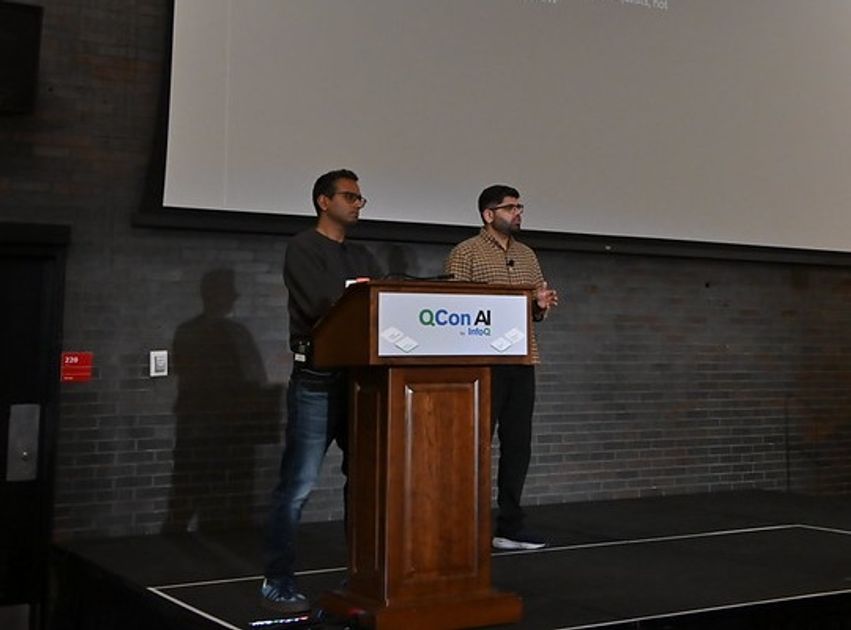
Beyond the Prototype: Scaling Framework Agnostic AI Agent Infrastructure with Ray
The speakers explain how to run and autoscale LLM agents in production using Ray, detailing system architecture, control planes, multi-region deployments, and CI/CD pipelines with LLM evals.

-
Exploding GPUs and the AI Infrastructure Challenge
Andrew Martin explains why AI security relies on Kubernetes security, highlighting new threat vectors like prompt injection, unconstrained agents, and the unique risks facing GPU infrastructure.

-
What 25 Trillion Tokens Reveal about How Developers Actually Adopt AI Agents
Brendan O'Leary shares real-world data from 40T tokens to explain how trust, multi-model routing, and context construction drive actual developer AI adoption over raw benchmarks.

-
How to Find Resilience Bugs in Systems that Don't Exist
Hillel Wayne explains how formal methods principles - like properties, verification, and environments - help software engineers uncover subtle concurrency bugs and architectural flaws early.

-
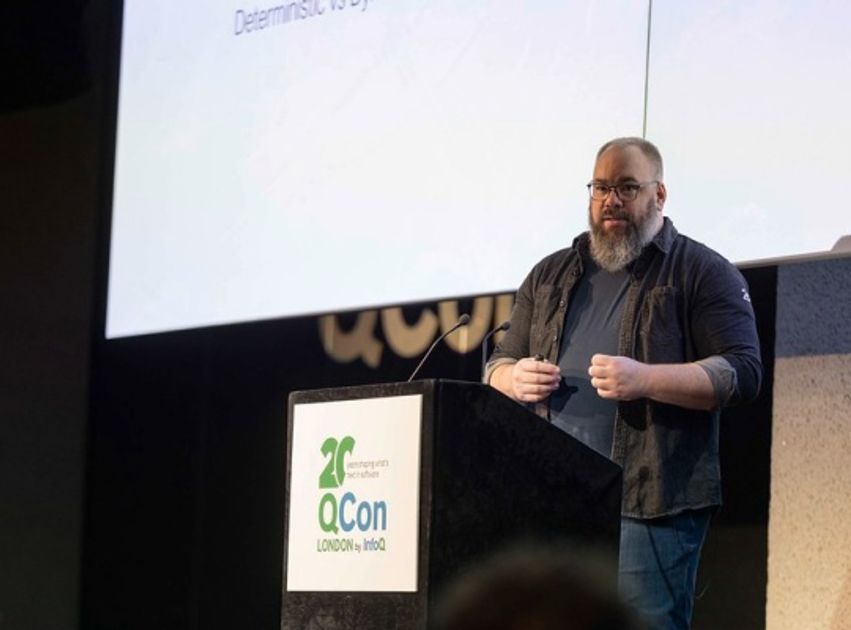
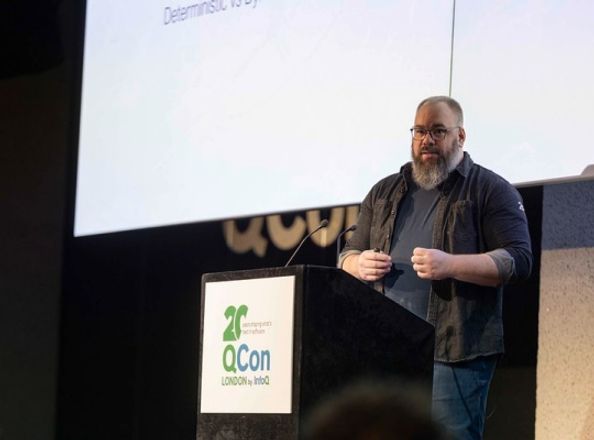
How Eve Online Leverages Head Based Sampling to Observe "Fun"
Nicholas Herring explains how EVE Online balances cost and fidelity using 100% head-based dynamic and deterministic sampling to monitor a 20-year-old monolith alongside modern domain services.
-
You Can't Trust Your AI Bill. And Neither Can I
Erik Peterson shares why AI costs are eclipsing cloud bills, explaining how token spend, unit economics, and AI autonomy impact software architects and engineering leaders.

-
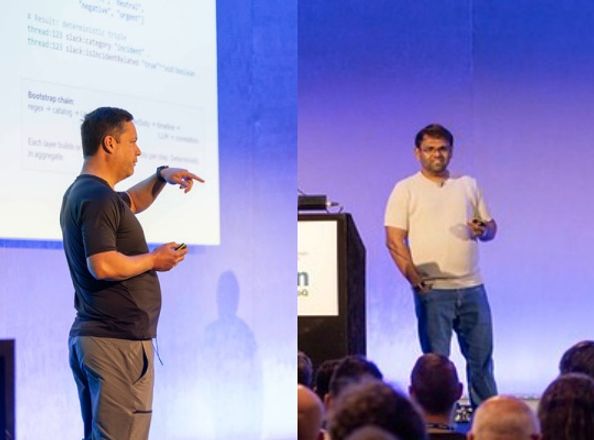
Ontology‐Driven Observability: Building the E2E Knowledge Graph at Netflix Scale
Prasanna Vijayanathan and Renzo Sanchez-Silva explain how Netflix uses AIOps, AI agents, and operational ontologies to turn high-scale telemetry into automated, proactive incident root-cause analysis.
-
Multi-Agent Patterns from Spotify’s AI Powered Advertising Platform
Pratik Rasam explains how Spotify Ads Manager builds multi-agent AI systems in production using Google ADK Java, detailing guardrails, domain ownership, and key architectural patterns for scale.

-
The Reinvention of the Dev Team
Hannah Foxwell explains how agentic AI reshapes dev teams, urging software leaders to rethink team structures, eliminate delivery friction, and focus on human-centric value and reliability.

-
Building Resilient Platforms: Insights from 20+ Years in Mission-Critical Infrastructure
Matthew Liste shares 12 core principles for building resilient, enterprise-scale platforms. Learn how to balance velocity, reduce technical debt, and build systems engineering teams rely on.