InfoQ Homepage Culture & Methods Content on InfoQ
About this Podcast
Intended for architects and senior developers.
-
Crossing the Feedback Chasm - a Conversation with Ken Finnigan
Michael Stiefel spoke with Ken Finnigan about how the lack of feedback impedes the development of software professionals. Without feedback, the right candidates are not hired, software professionals cannot improve or grow into new roles, or individuals stagnate or regress in their current positions. Feedback must also be delivered at the right time - when it can be effectively used.
/podcasts/crossing-feedback-chasm/en/mediumimage/ken-finnigan-interviewee -1730973734230.jpg)
-
Navigating AI, Platform Engineering, and Staff-Plus: InfoQ Dev Summit Boston Preview
In this InfoQ podcast, host Daniel Bryant sat down with speakers from the InfoQ Dev Summit Boston (June 24-25) and discussed the critical challenges and decisions developers are currently facing. Topics covered include platform engineering, the evolution of senior software developer roles into Staff-Plus positions, AI's impact on the SDLC, and the importance of security.
-
Courtney Nash Discusses Incident Management, Automation, and the VOID Report
In this episode, Courtney Nash, a researcher focused on system safety and failures in complex sociotechnical systems, discussed the latest edition of the VOID report. Topics covered included: incident management and the role of automation, working effectively within socio-technical systems, and the value of collecting and analyzing system metrics in the good times and the bad.

-
Backstage with the QCon London 2023 Programming Committee
What makes QCon software conferences stand out from other events? The top reason has to be the content, which focuses on innovator and early adopter trends, and presenters who are expert practitioners, sharing their real-world stories.
/podcasts/qcon-london-backstage/en/mediumimage/QCon London 2023 - PC-m-1678728096166.jpg)
-
2022 Year in Review: ADRs, Staff Plus, Platforms, Sustainability, and Culture Design
In this special year-end wrap-up podcast Thomas Betts, Wes Reisz, Shane Hastie, Srini Penchikala, and Daniel Bryant discuss what they have seen in 2022 and muse on what they hope to see in 2023. Topics explored included: the benefits of architecture decision records (ADRs), the role of Staff Plus engineers, treating platforms as a product, the importance of sustainability and green IT, and more.
About this Podcast
Discussions on intentional corporate culture and software management approaches.
-
Culture & Methods Trends 2026: The Human Side of AI Engineering
This is the Engineering Culture Trends Report for 2026. Featuring a panel of QCon speakers and InfoQ contributors, they discussed AI adoption maturity and risk, the transformation of engineering team structures and roles, and the human dimensions of software development that must not be lost in 2026.
-
Formal Methods for Every Engineer in an AI-Powered Future
In this podcast Shane Hastie, Lead Editor for Culture & Methods spoke to Gabriela Moreira about making formal methods accessible through the Quint specification language, how AI is dramatically lowering the barrier to entry for formal specification and model-based testing, and why defining correct system behaviour remains essential human work in an AI-driven world.

-
Craig McLuckie on Culture as a Team's Operating System in the AI Era
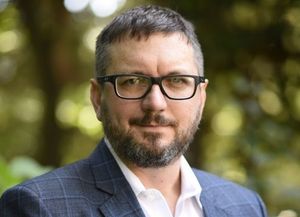
In this podcast, Shane Hastie, Lead Editor for Culture & Methods spoke to Craig McLuckie, co-creator of Kubernetes and CEO of Stacklok, about the impact of AI coding tools on open source communities and engineering teams, designing deliberate organisational culture, and navigating evolving career paths for engineers in the age of AI.
-
The AI Joy Gap: Why Some Developers Thrive While Others Struggle
In this podcast, Shane Hastie, Lead Editor for Culture & Methods, spoke to Michael Parker, VP of Engineering at TurinTech AI, about bringing joy back to software development in the AI era, the emerging role of "factory architects" who orchestrate AI agents rather than write code directly, and the cultural divide between AI hype and the reality developers face on legacy codebases.

-
Tiger Teams, Evals and Agents: The New AI Engineering Playbook
In this podcast Shane Hastie, Lead Editor for Culture & Methods spoke to Sam Bhagwat, co-founder and CEO of Mastra, about building and sustaining open source communities, the emerging discipline of AI engineering and evals, and how cross-functional Tiger Teams are key to shipping agentic applications.